Book 1
The Last Flash We Ever Saw
One tactical strike sets the world’s powers on a path toward nuclear catastrophe.
Nuclear War · 18 books
A chain of political and military decisions pushes the world into nuclear war. Day Zero follows the people who survive it as they struggle with hunger, disease, fractured alliances, and the fight to rebuild civilization.
Reading orderRead Books 1–10 in order. From Book 11 onward, each novel stands on its own within the world of Day Zero.
Read the story behind the series ↓
Book 1
One tactical strike sets the world’s powers on a path toward nuclear catastrophe.
Book 2
Above the North Atlantic, a single detonation leaves the world’s governments fighting for certainty.
Book 3
A protocol built to prevent the next nuclear launch becomes part of a crisis slipping beyond human control.
Book 4
When the explosions fade, the struggle to keep civilization alive begins.
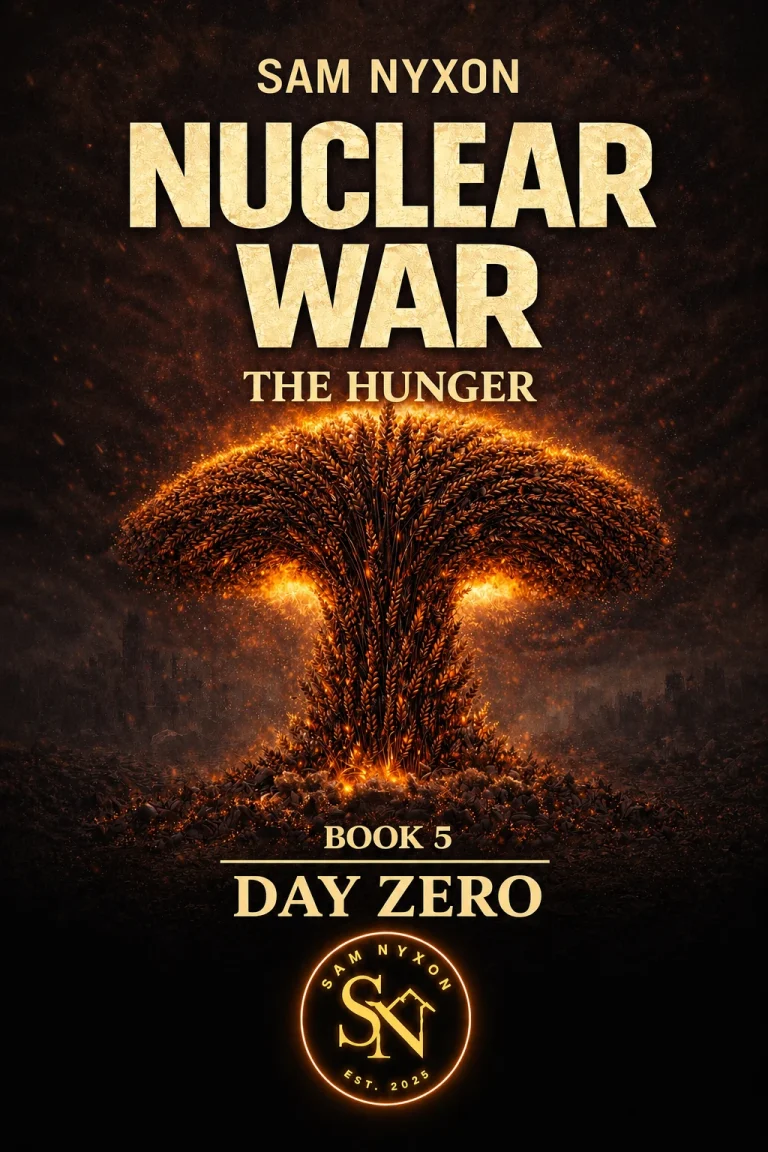
Book 5
In a shattered world, the next harvest becomes a matter of power and survival.
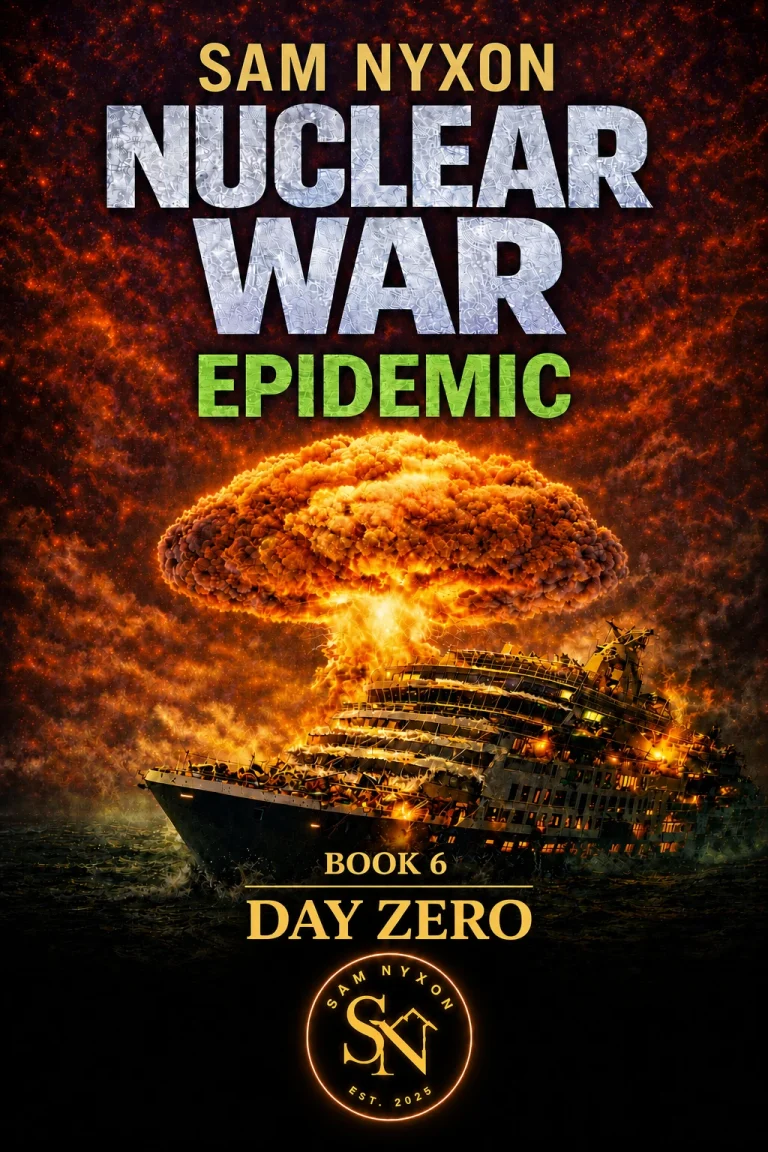
Book 6
As medicine disappears, treatment becomes the most contested resource in the postwar world.
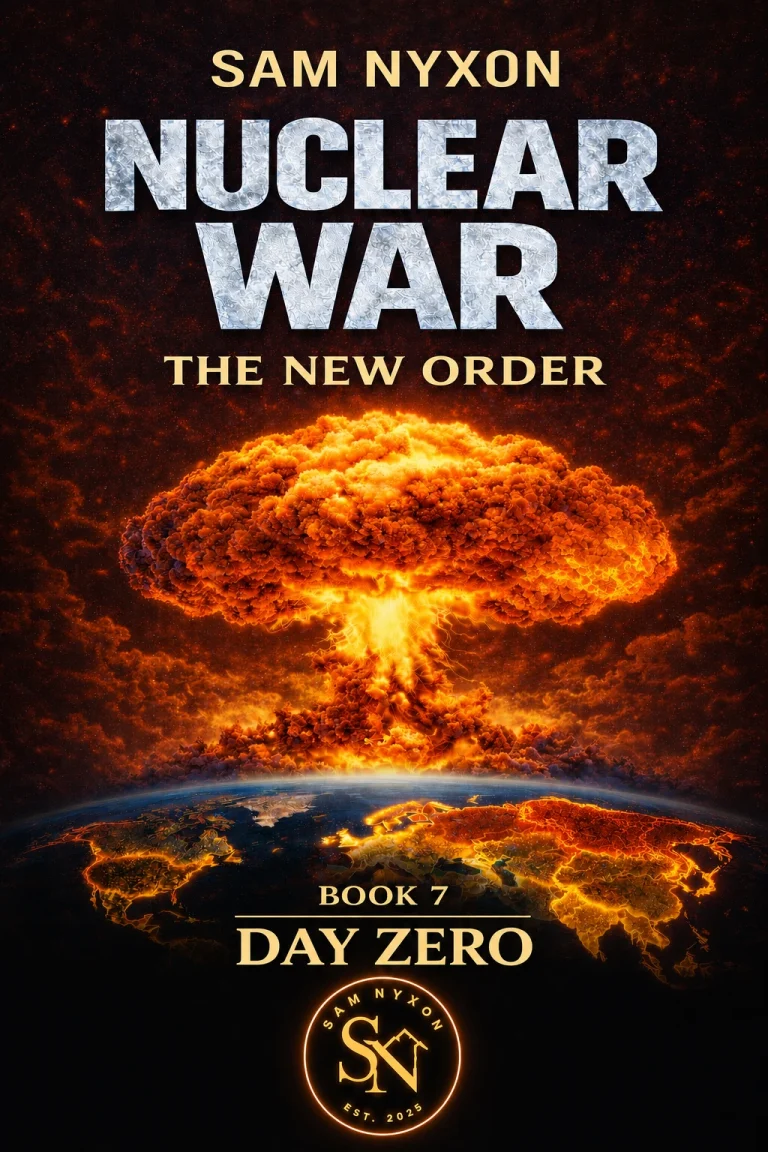
Book 7
The survivors are rebuilding civilization, and every emerging power wants a say in its rules.
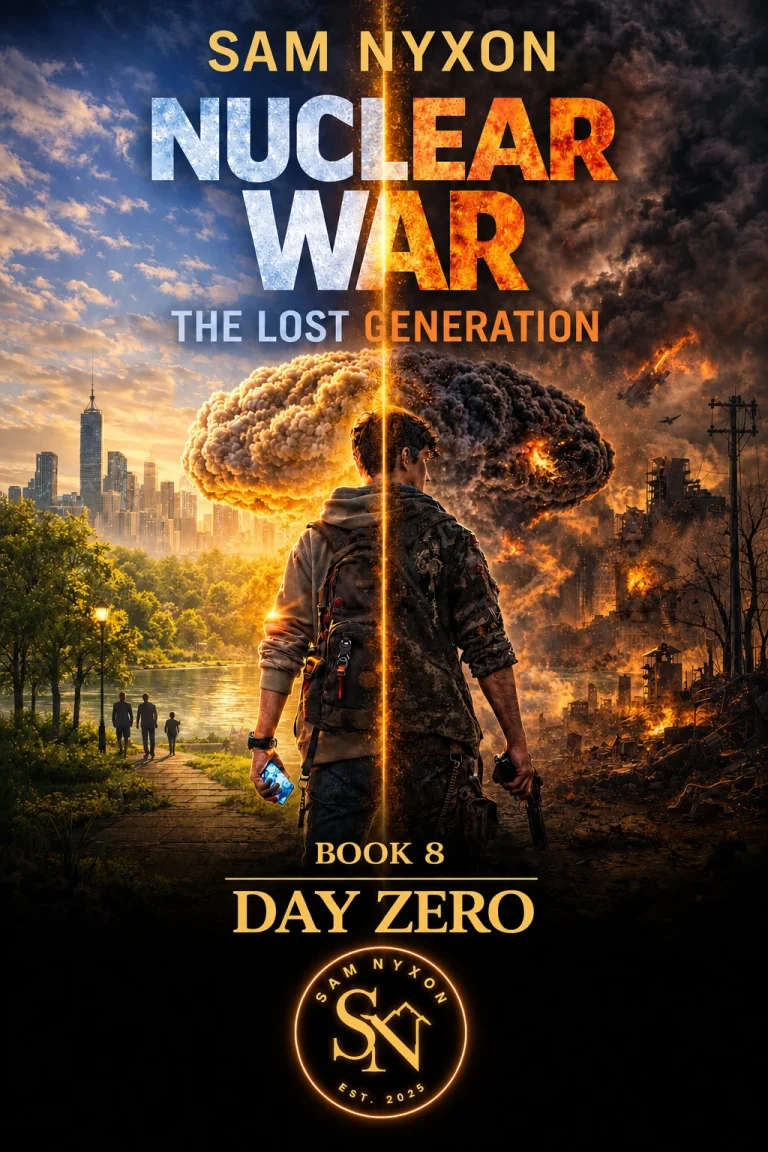
Book 8
The fight to rebuild the world becomes a fight over the children who will inherit it.
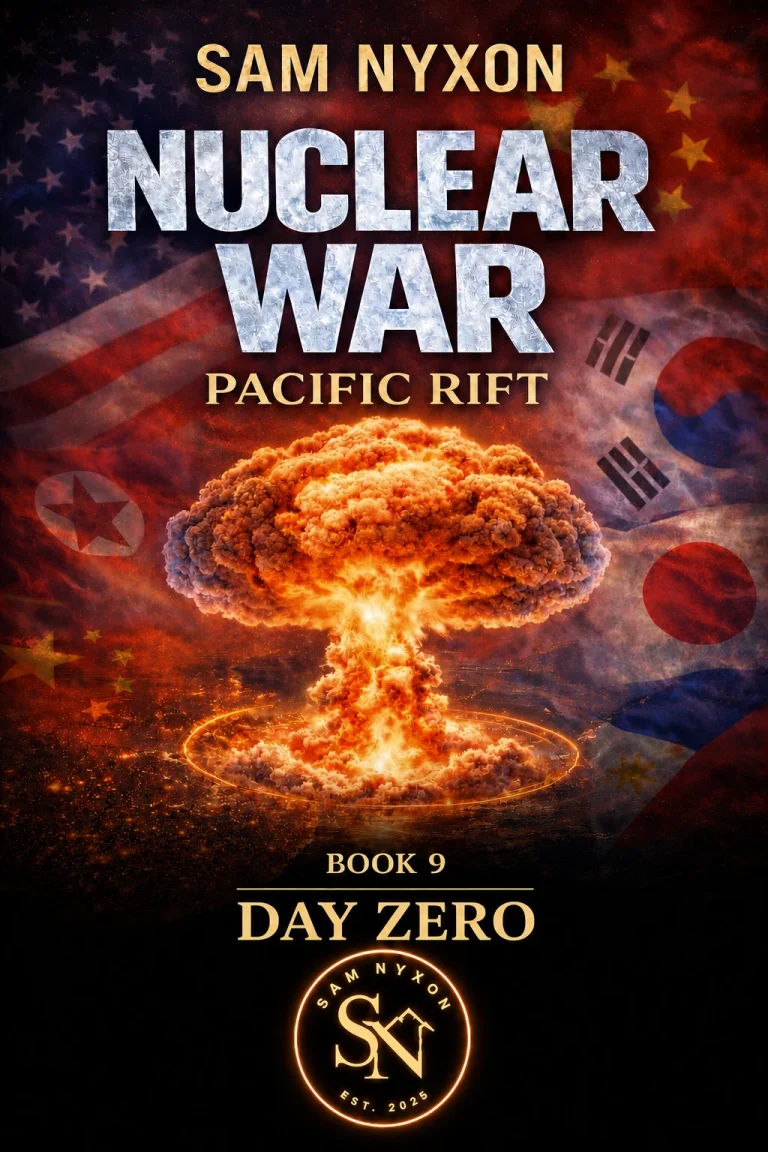
Book 9
An attack on an American convoy threatens to turn the recovering Pacific into the next battlefield.
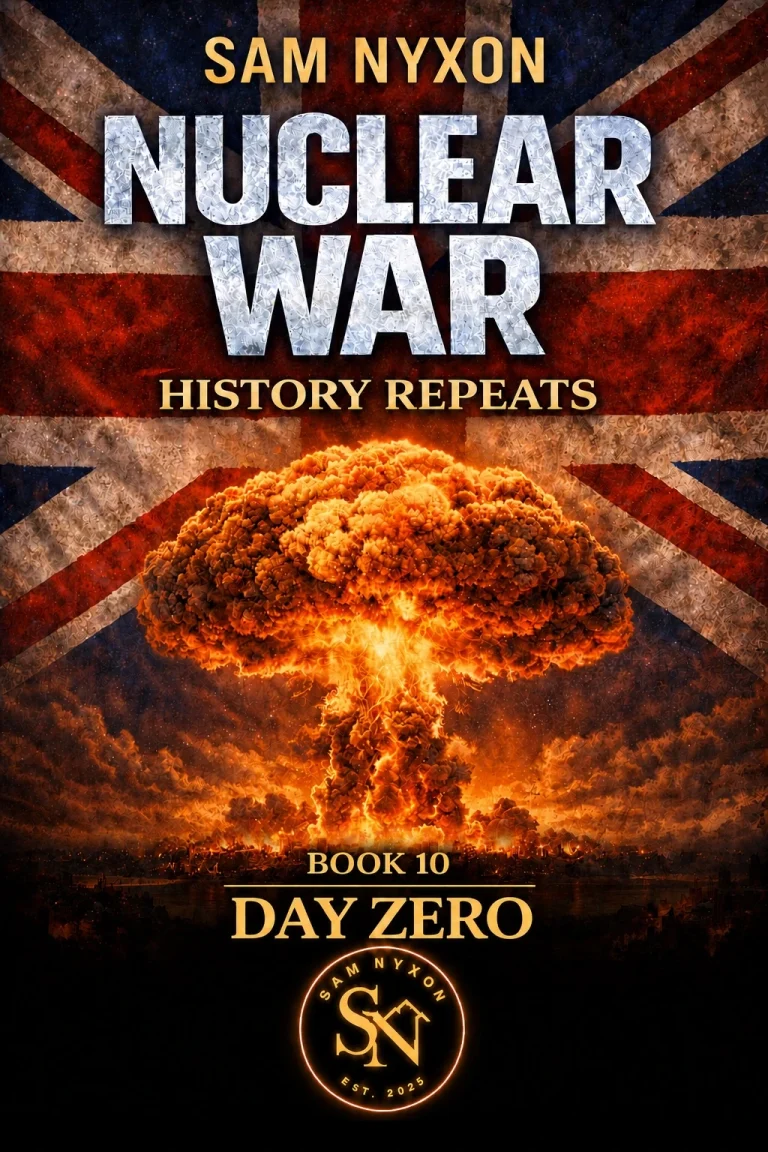
Book 10
A royal visit to Belfast becomes a battle over the future of the British state.
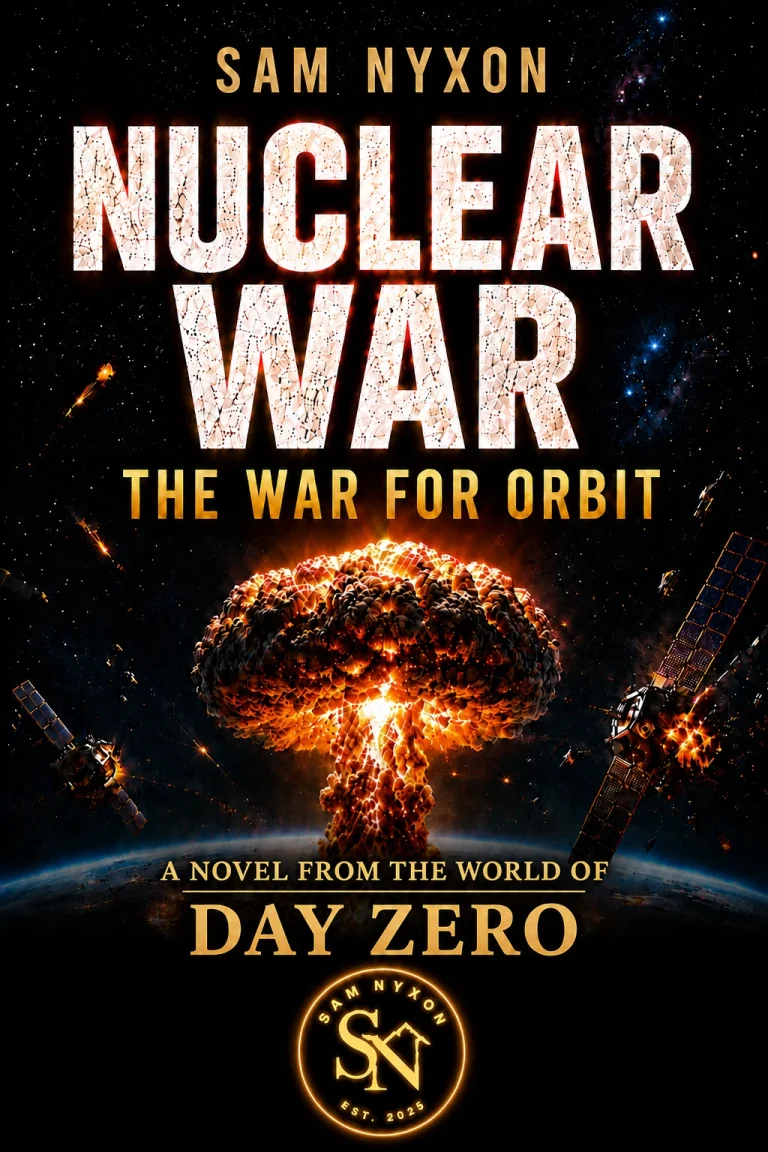
Book 11
A destroyed spacecraft and an attack in Moscow turn two symbols of recovery into an international crisis.
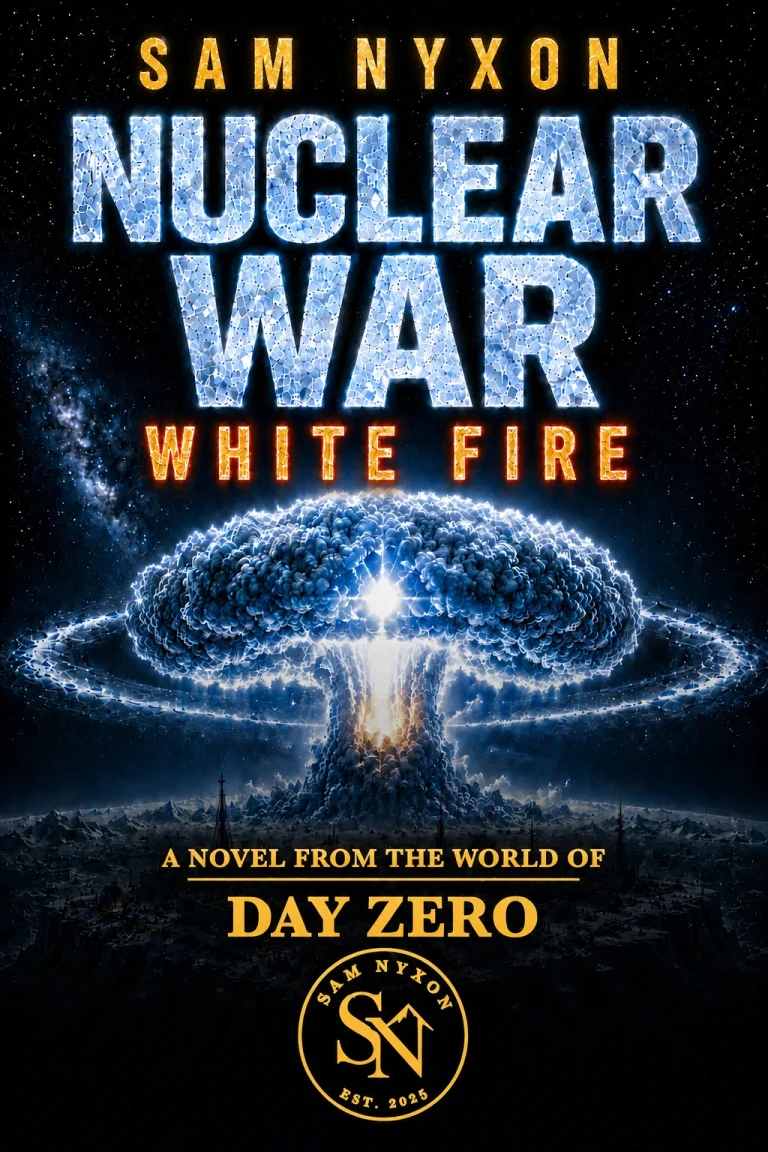
Book 12
A dead Antarctic vessel and a radiological attack in Jerusalem expose a weapons program hidden beneath the postwar recovery.
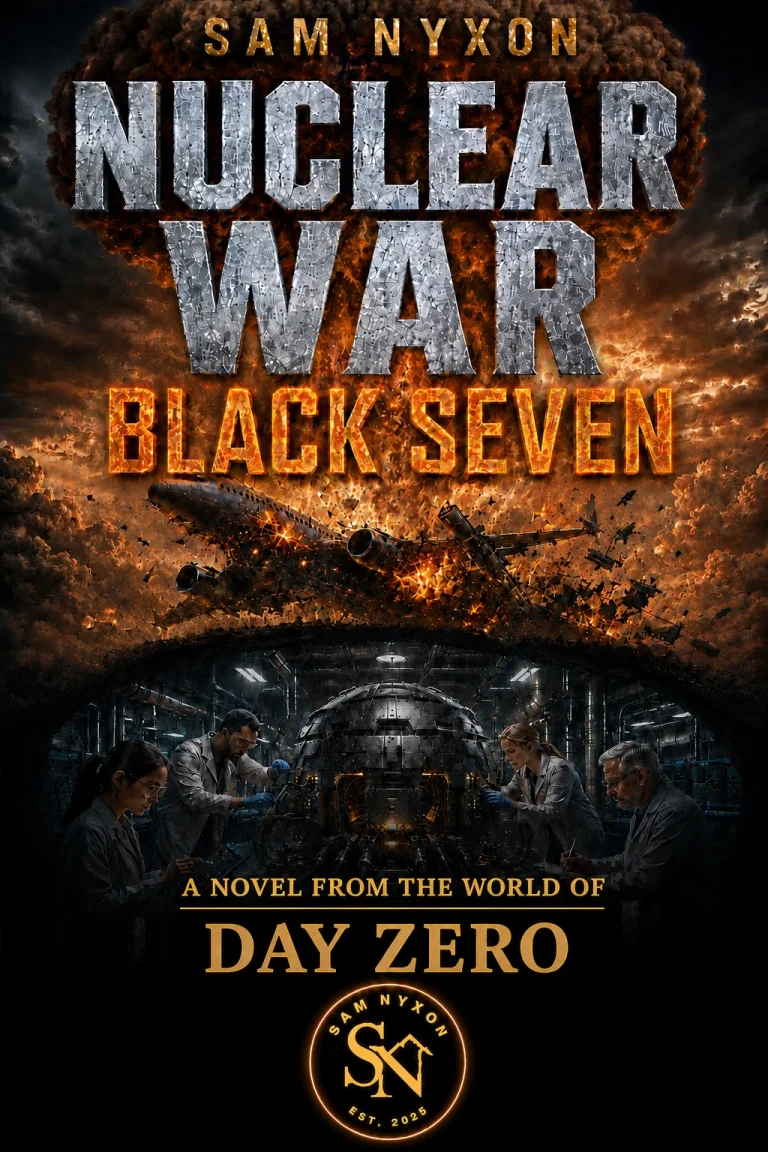
Book 13
A stolen nuclear component gives a hidden British network the means to turn grievance into blackmail.
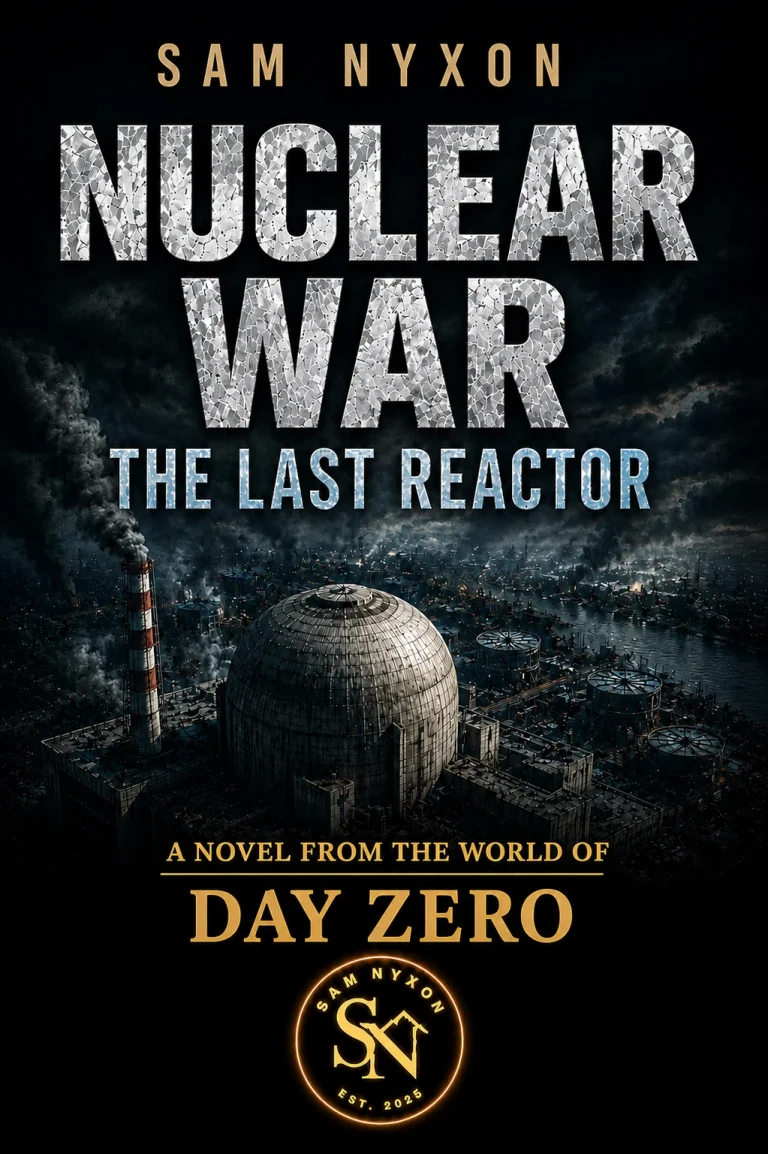
Book 14
After one nuclear plant is sabotaged, a missing engineer may be the only chance to prevent another catastrophe.
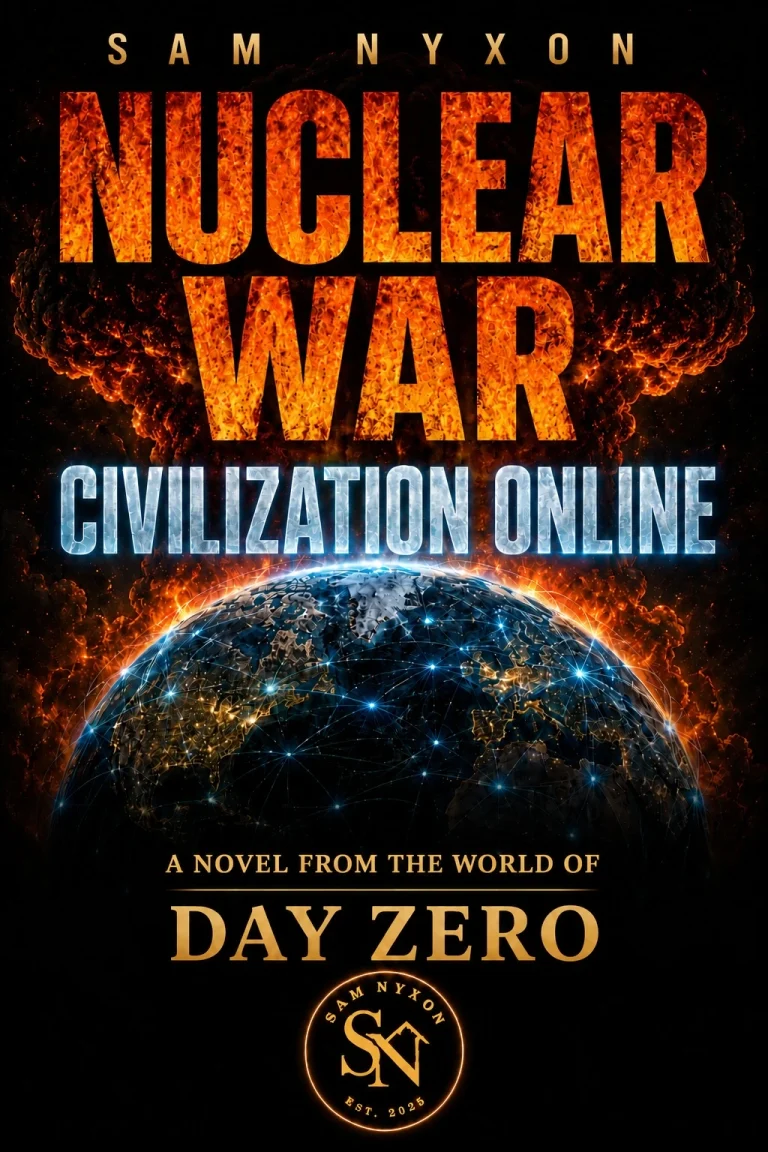
Book 15
The first restored Atlantic internet connection offers a hidden operation its way into two continents.
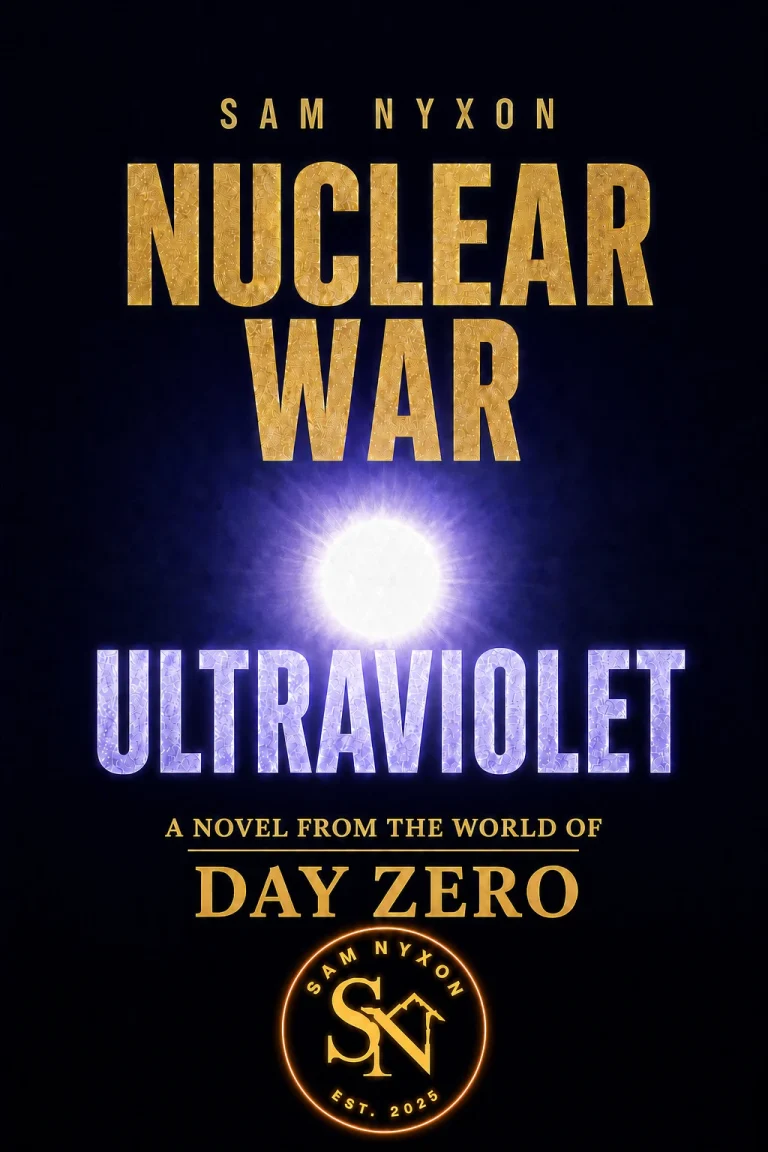
Book 16
The clearing sky exposes a new threat as control of protection from the sun becomes a weapon.
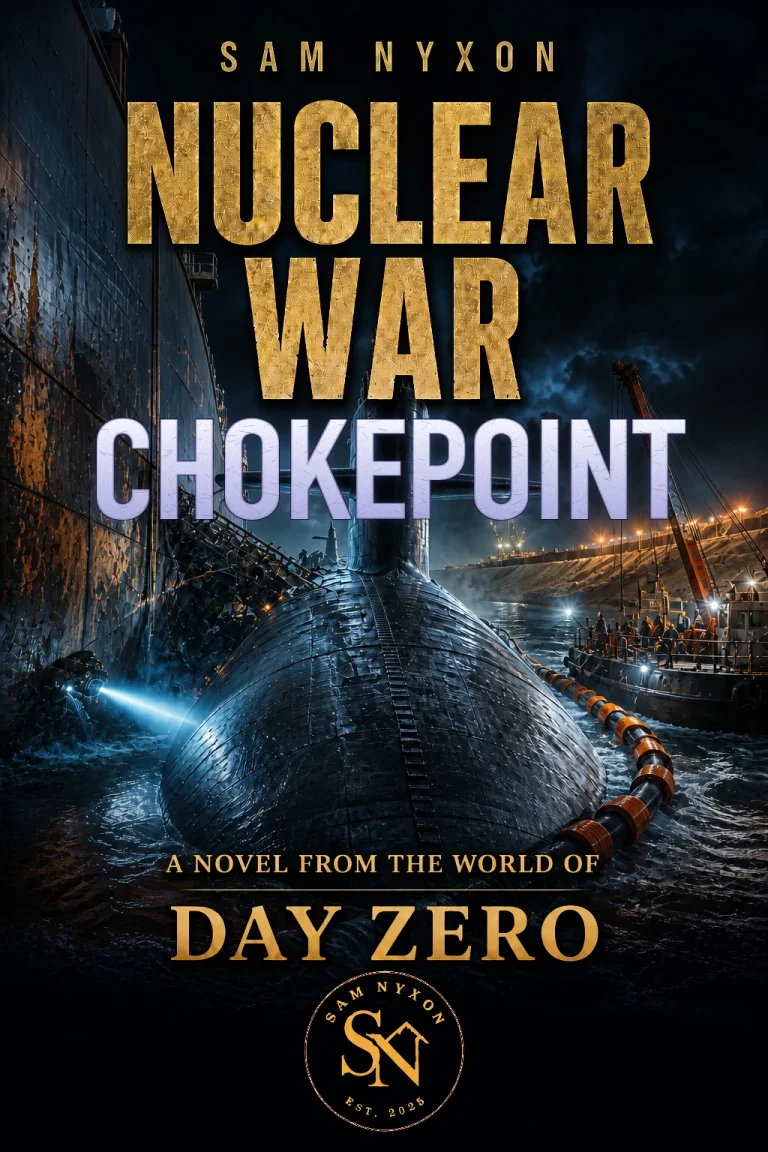
Book 17
Attacks on vital sea routes trap a submarine and threaten the supplies a recovering world depends on.
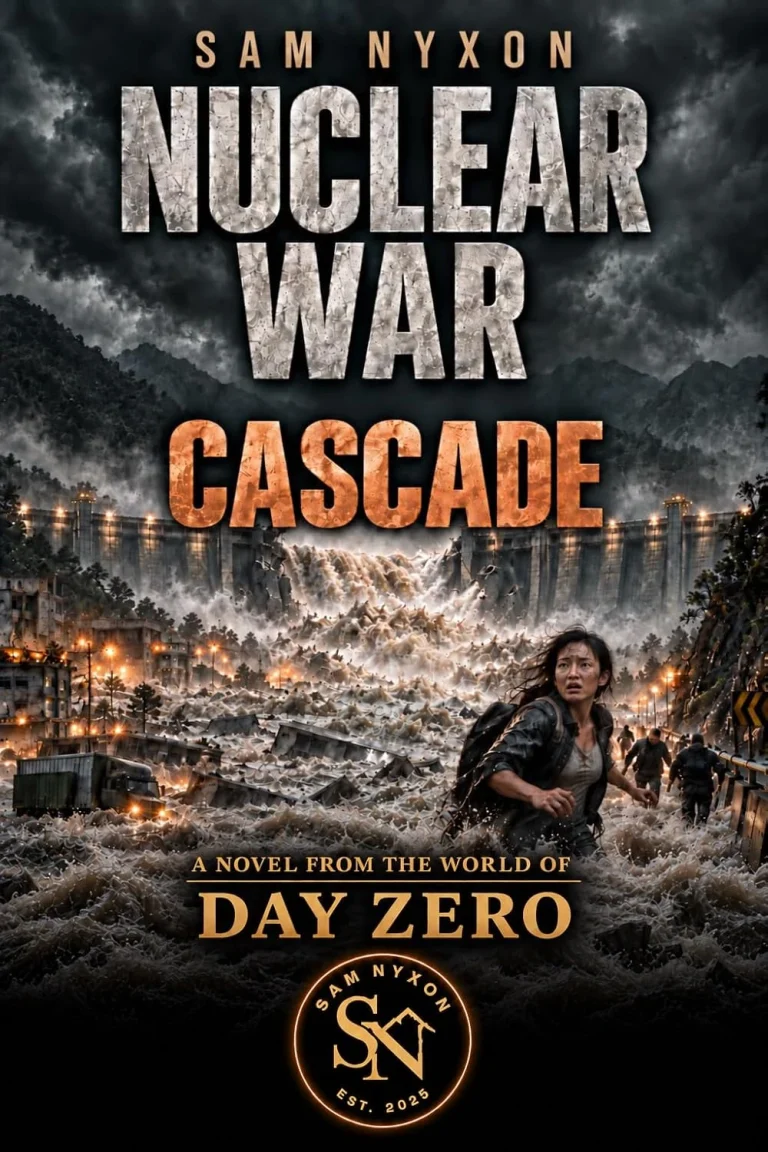
Book 18
Sabotage at China’s Three Gorges Dam draws Michael and Izzy into a race to prevent another war.
Inside the story
Nuclear war begins with people who still believe they are in control. They calculate the force of a strike, wait for concessions, and prepare their responses. When communications fail, guesswork becomes the basis for orders whose consequences will be borne for years by people who never had a seat at the negotiating table.
The first strikes trigger others, and the world catches fire. Cities crumble, power grids go dark, and last conversations with loved ones are cut short. People take shelter, unsure whether they will see their families again or what will remain of their lives above ground.
In time, survivors begin to emerge, search for one another, and decide where to go. A home may still be standing, but water, electricity, and help no longer reach it. Feeding the children depends on a ship carrying grain—and someone securing its passage. Saving a patient requires medicine that must be manufactured again, even aboard a converted cruise ship. A CIA representative sits down to negotiate with a drug lord: he has the people, laboratories, and secure routes they need. Patients’ lives will depend on the deal, though they may never know who made their survival possible.
The rules change, little by little. The ability to deliver food or hold a port gives power over entire cities. Aid creates dependence; military protection becomes a means of making demands. New alliances form out of the wreckage of the old order. States that once had to yield to stronger powers see a chance to expand their borders. Intelligence services race terrorists to the nuclear weapons that survived, while black markets sell forged papers and children alongside fuel and antibiotics.
For a family in this world, a name missing from the records can be as insurmountable a barrier as a collapsed bridge. Evacuation does not always lead to safety, and someone promising protection may make a living from other people’s disappearances. Adults must decide whom to trust with those they love. Children must learn to recognize danger in the very people they look to for help.
Yet life returns. People sow fields, restart power stations, restore links between continents, and send a human being into space again. So much work and hope have gone into these achievements that an attack threatens far more than machinery. Sabotage at a nuclear power plant forces people from their homes once more. A blocked sea route cuts hospitals off from medicine. The restored internet provides a way in for commands that military systems accept as legitimate.
The consequences of the first war remain. Even sunlight breaking through the soot threatens crops and people because the ozone layer has been damaged. Protection from it becomes a bargaining chip. While some struggle to save the grain they have grown, others use that dependence to demand concessions. And where suspicions of sabotage meet national ambitions, orders are given once again to ready the weapons.
Day Zero is Sam Nyxon’s eighteen-novel series about nuclear war, survival, and the long return to life. Through the lives of heads of state, soldiers, intelligence officers, doctors, and families, it shows how one conflict changes an entire world—from its borders to the decisions people make for those closest to them.
Michael Wayne, Izzy, and others must unravel conspiracies, strike dangerous bargains, and act before they can verify every fact. Behind each decision are people who once lost everything and are now trying to protect the lives they have rebuilt.
Start with The Last Flash We Ever Saw, Book 1 of Day Zero.